
According to the 49 CFR 264 (c ), “Facilities must be designed, constructed, maintained, and operated to minimize the possibility of a fire, explosion, or any unplanned sudden or non-sudden release of hazardous waste or hazardous waste constituents to air, soil, or surface water which could threaten human health or the environment.” Making sure warehouses and plants which hold hazardous materials, or create byproducts that classify as hazardous, are prepared for any incidents is an important part in reducing damages. Secondary spill containers, such as Salvage Drums, are a vital part of keeping an area safe and clean. Being prepared for hazardous materials also includes having the proper materials in case of a secondary spill, such as raised pallets, trays, or covers which can help prevent contents from contaminating the ground or water supplies.
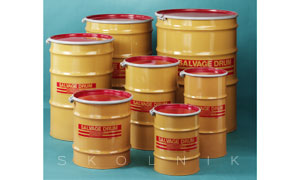
Skolnik Salvage Drums are an approved way to deal with any leaking or damaged drum. When a drum is compromised and the hazardous materials threaten to spill from the container it is important to quickly contain any contents that may cause damage.. Skolnik Salvage Drums are created with specific dimensions that allow the damaged drum to fit securely inside; Salvage Dums are built with enough room to hold any contents that may spill out from the damaged drum. When a Skolnik Salvage Drum is properly used it can be an effective secondary containment option to prevent further damage from a leaking or damaged drum.
Being readily prepared for spills or damaged drums can help prevent serious damage to the environment. In 1976 The Resource Conservation Recovery Act (RCRA) was passed to give the Environmental Protection Agency (EPA) authority to control the generation, treatment, storage, transportation, and disposal of hazardous wastes. Hazardous materials can leak into the ground, ending up in water supplies and potentially contaminating the water. To prevent incidents like this from occurring warehouses, plants, and shipping centers can follow the regulations put in place by the EPA for proper secondary spill containment. Being prepared with ample secondary spill containers is an easy way to help protect the environment, equipment, and employees. Any place dealing with hazardous materials needs to have a proactive attitude towards spills and damaged containers.